Bread made from a sourdough starter has the deepest flavour, a wonderful crust and chewy crumb. Although a relatively long process, the recipe and methods are simple and it doesn’t actually require much of your time.
Mix all the ingredients, by hand, in a large mixing bowl, for approximately 1 minute until it comes together.
Turn on to a worksurface (no flour needed) and knead by hand. Alternatively, use a mixer with a dough hook. It will take 8-10 minutes until the dough feels smooth and elastic.
You’ll know when the dough is ready by using the ‘windowpane’ effect (use photo): Take a small piece of the dough (size of a plum), stretch it as far as you can (without splitting it) and you should be able to see daylight through it. If it is not ready, continue to knead until silky smooth.
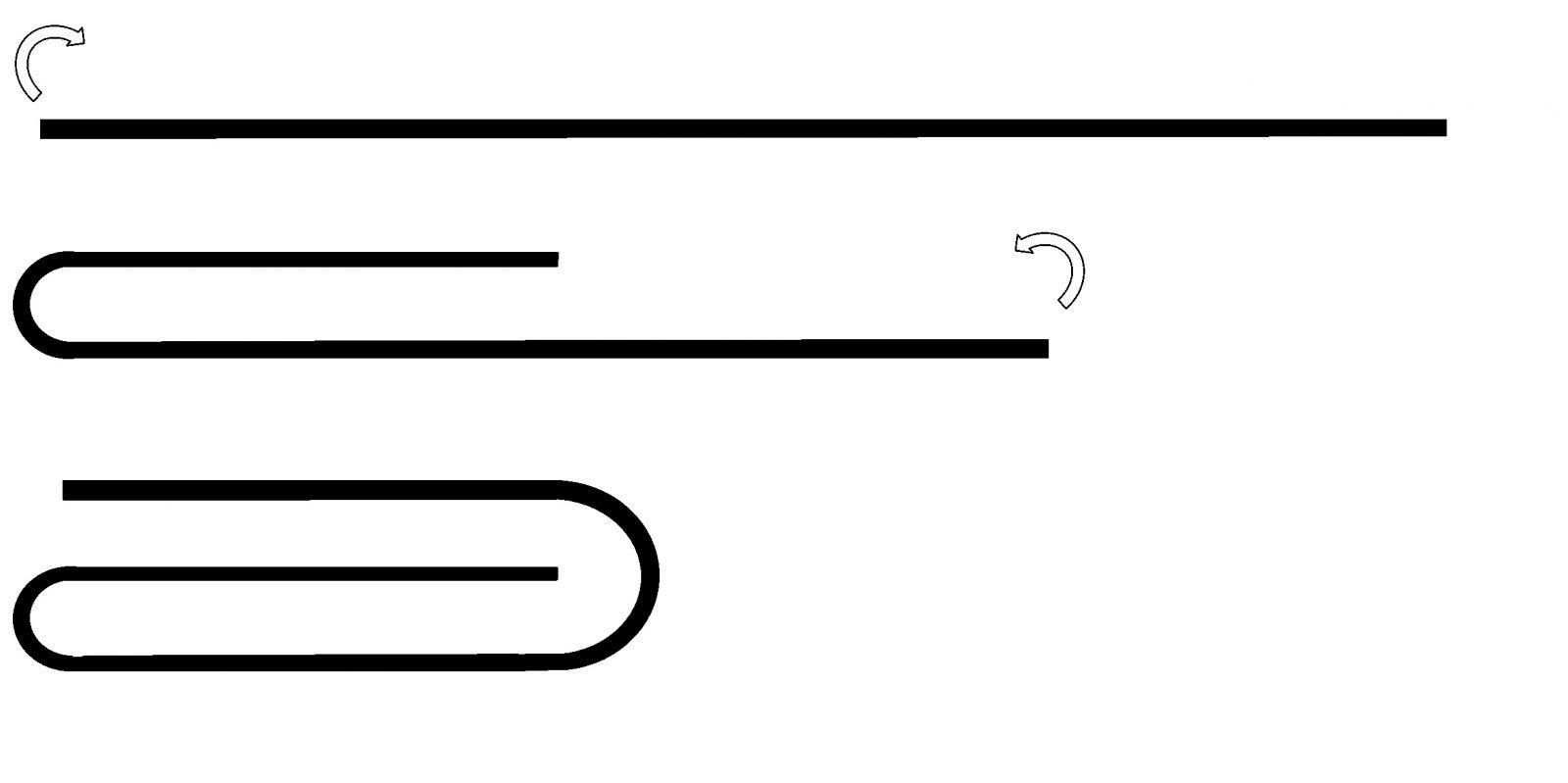
Place the dough in a well-oiled, large bowl and cover with cling film, or use a plastic container with a lid. The dough will need to rest for a total of 4 hours. After each hour, do a gentle half turn – fold the dough one third to the centre then fold the remaining two thirds over the first third.
After 4 hours, either keep whole for one loaf or delicately divide the dough into 2 for smaller loaves. Lightly pre-shape to the shape of your proving basket(s).
Rest the dough on a worksurface, for 15 minutes, covered with a clean tea towel.
Very gently shape the dough, avoiding knocking out the air/gas, into rounds or rectangles to fit the shape of the proving basket(s). Carefully place the moulded dough into a well-floured proving basket(s) with the seam facing up. Cover with oiled cling film so that the dough doesn’t develop a skin.
Prove for 2 ½ – 4 hours, at room temperature, until well risen.
Pre-heat oven to 240°C. Put baking tray(s) or stone(s) in to heat. Put an empty roasting tin on the bottom of the oven.
Take tray/stone(s) out of the oven and sprinkle with semolina. Gently tip the proved dough out of the proving basket(s) (seam down) onto the hot baking tray/stone. Add quick, shallow, cuts along the top of the dough, with a serrated knife. Place the tray/stone dough on the middle shelf of the oven.
Add 4 ice cubes or ¼ mug of cold water to the heated roasting tin. This creates steam to help the bread form a good crust.
Bake for 20 minutes. Then reduce the temperature to 220°C and bake for a further 10-15 minutes or until golden brown.
Remove loaf/loaves from the oven. Check bake by tapping the bottom of the loaf. It should sound hollow.
Cool on a wire rack to set the crust.
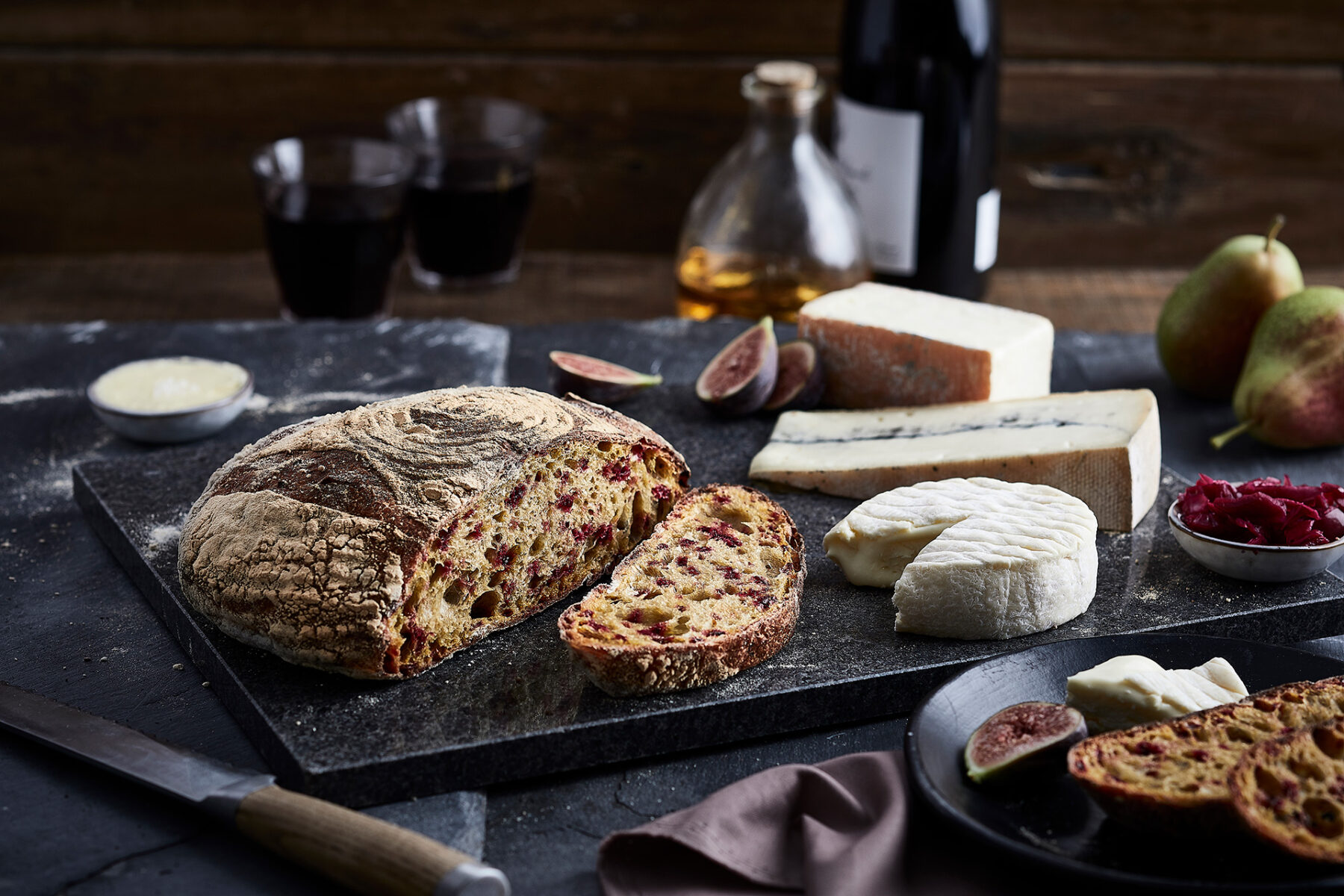
Recipe Tip: At stage 2 of the recipe, after mixing the dough, add 100g pitted green olives or 100g grated beetroot. Turn the dough as described in step 2 – continue with the folds every hour, for a total of 4 hours. You’ll see the olives/beetroot gently dispersed throughout the dough.
You can substitute 300ml water for 300ml quality, flat ale, we like to keep it local and use Adnam’s Broadside Ale – this ale is ideal for baking bread.





 Back to all